Ingredient comparison
Azelaic Acid vs Phytic Acid: which one is right for your skin?
Same comparison whichever way you searched it: Phytic Acid vs Azelaic Acid.
Short answer: Both earn their place. Phytic Acid is the kinder pick if your skin reacts easily, otherwise it comes down to preference.
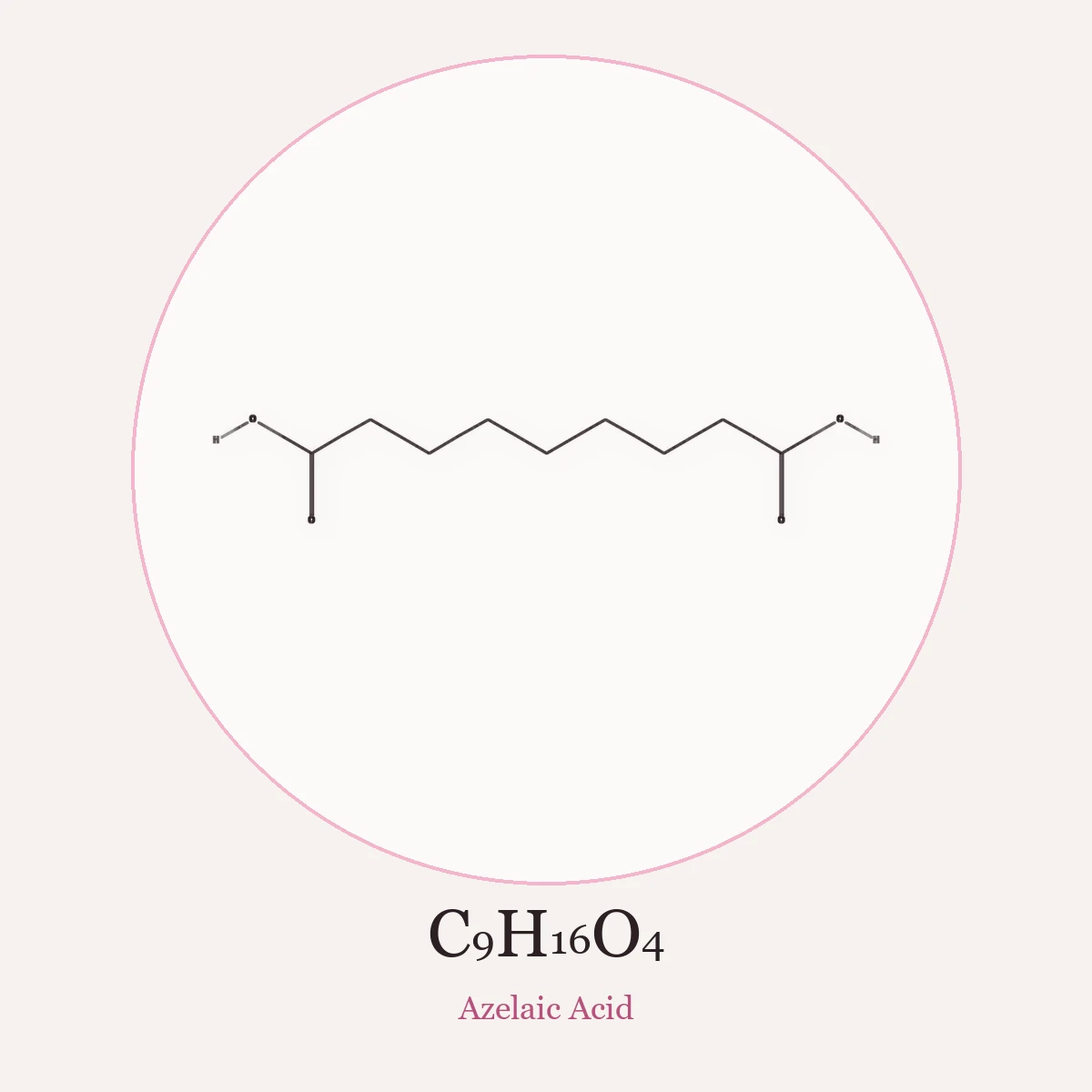
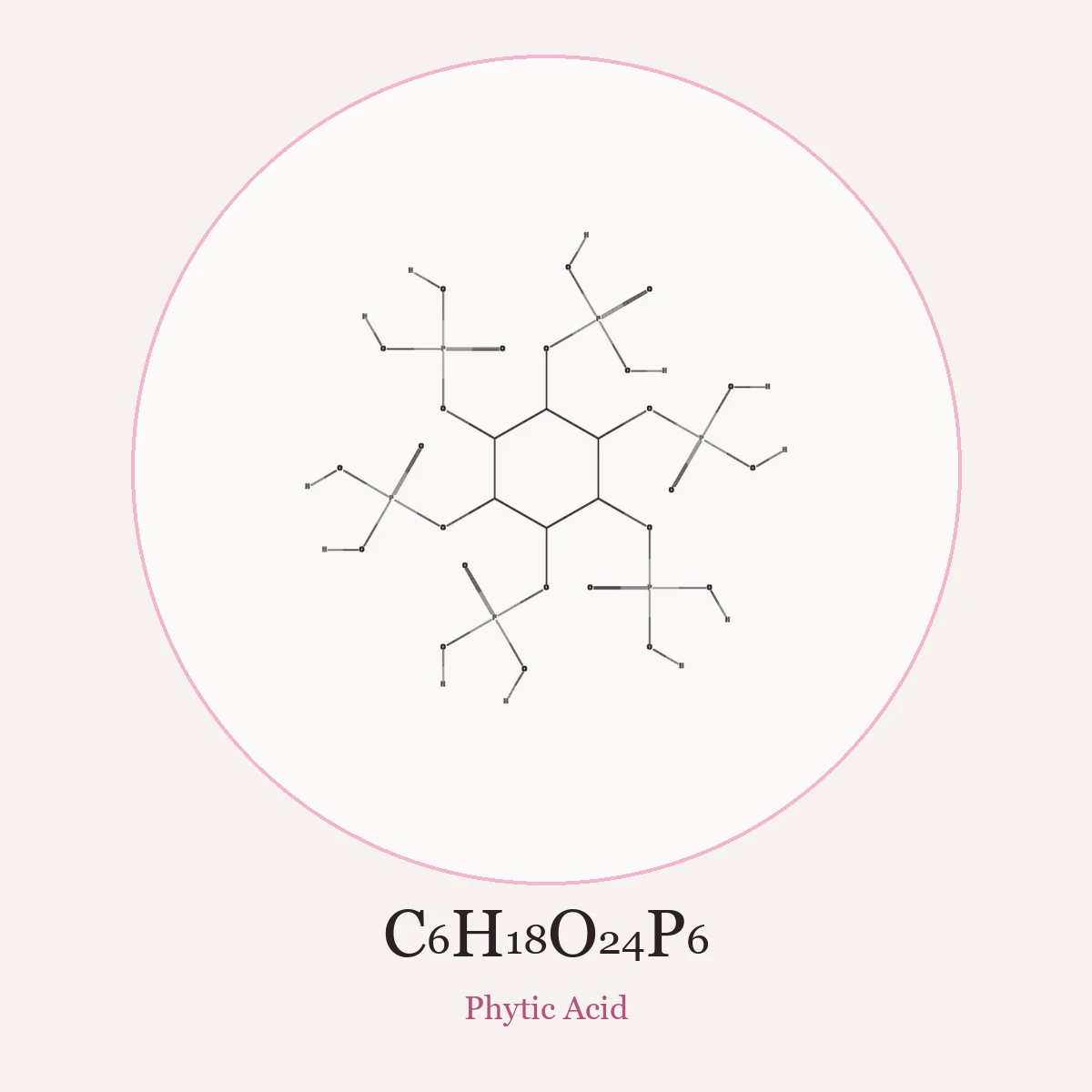
| Compared | Azelaic Acid | Phytic Acid |
|---|---|---|
| Potency | Higher | Lower |
| Evidence | moderate evidence | emerging evidence |
| Time to see it work | 8–12 weeks | Never measured |
| Irritation risk | Moderate | Low |
| Clogs pores | Low | Low |
| In pregnancy | Considered safe | Considered safe |
| pH-dependent | No | Needs the right pH |
| On a label | works best above 10% | works best above 1% |
So which should you pick?
Choose Azelaic Acid if
- you are dealing with breakouts and congestion
- you want the pick with the most research behind it
- you would rather it just work, without depending on the product being at the right pH
Choose Phytic Acid if
- your skin is sensitive or reacts easily
The honest bottom line: Both earn their place. Phytic Acid is the kinder pick if your skin reacts easily, otherwise it comes down to preference.
Better for your concern
- Dark spots and uneven toneEither
- Breakouts and congestionAzelaic Acid
- Sensitive, reactive skinPhytic Acid
Based on their scores in the knowledge base. "Either" means both hold their own for that goal.
From our dataNeither has to be the answer: 58 other ingredients in our glossary share a family with these two.
Azelaic Acid vs Phytic Acid, answered
Which is stronger, Azelaic Acid or Phytic Acid?
Azelaic Acid is the more potent of the two, with the higher efficacy score. Phytic Acid is the lighter option.
Is Azelaic Acid or Phytic Acid better for sensitive skin?
Phytic Acid is the gentler choice for sensitive, reactive skin (low irritation risk, versus moderate for Azelaic Acid).
Can you use Azelaic Acid and Phytic Acid together?
They have a known interaction. See our can-you-mix page for the verdict and how to use them.
General guidance, not medical advice. Read the full pages on Azelaic Acid and Phytic Acid.