Ingredient comparison
Azelaic Acid vs Phytosphingosine: which one is right for your skin?
Short answer: Both earn their place. Phytosphingosine is the kinder pick if your skin reacts easily, otherwise it comes down to preference.
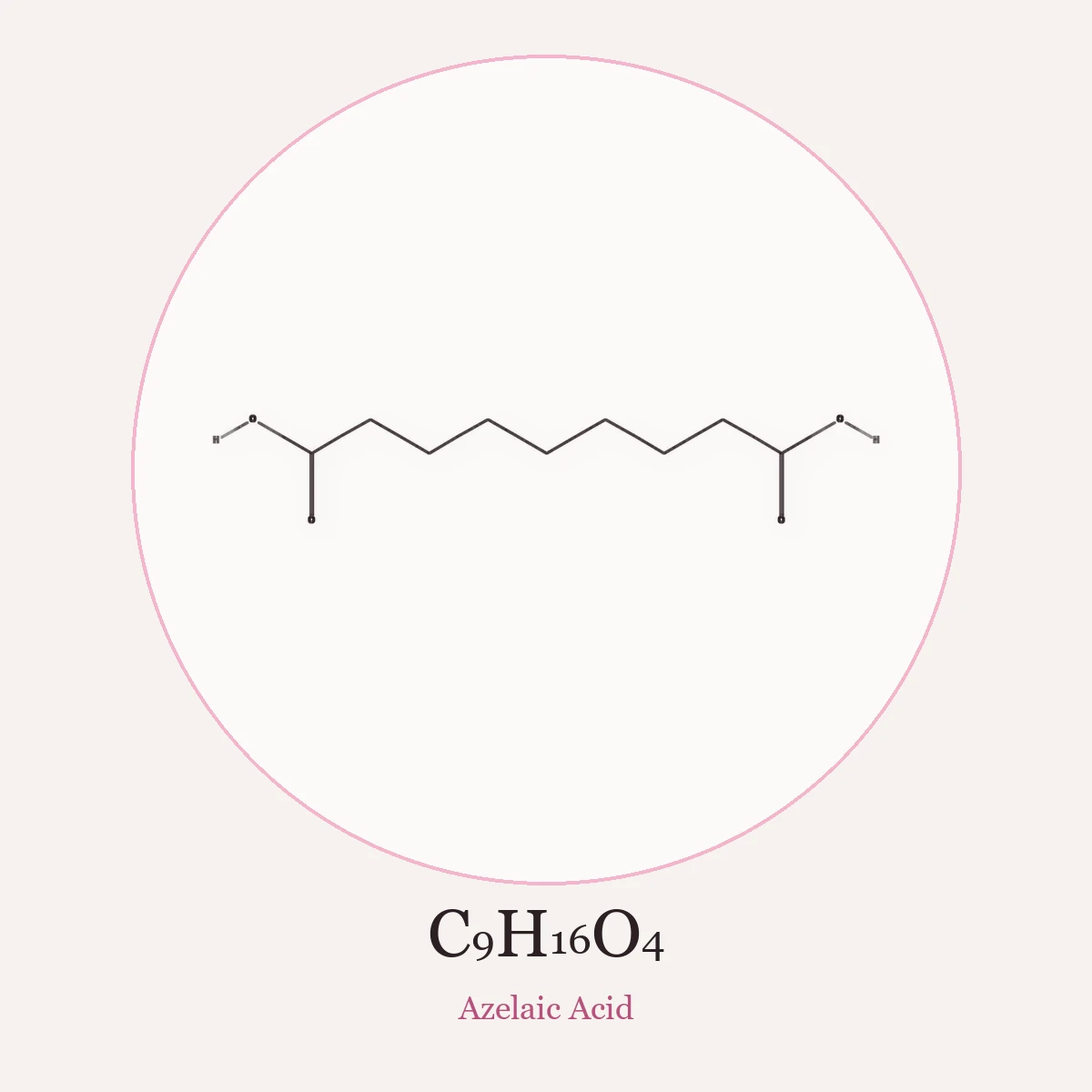
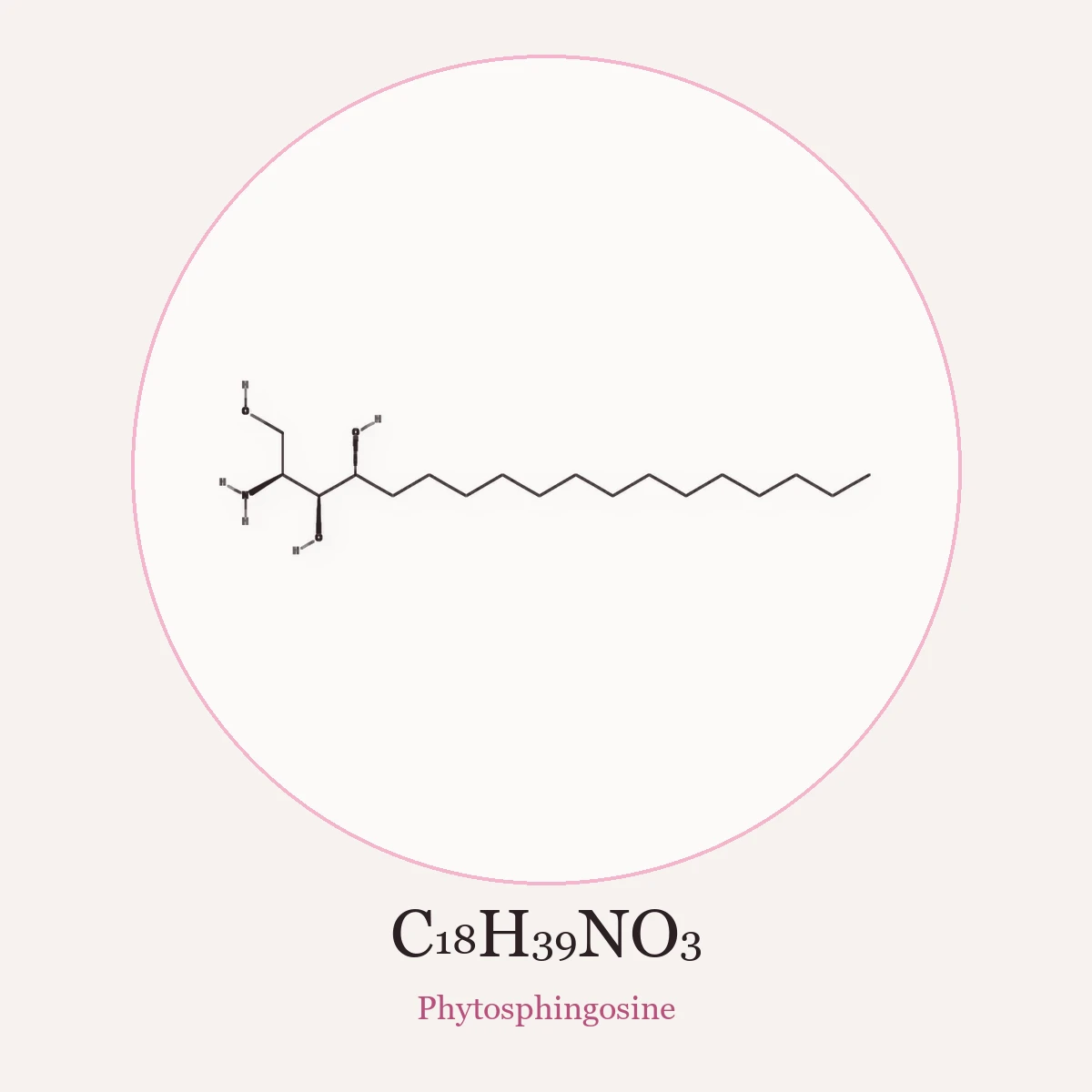
| Compared | Azelaic Acid | Phytosphingosine |
|---|---|---|
| Potency | Higher | Lower |
| Evidence | strong evidence | strong evidence |
| Irritation risk | Moderate | Low |
| Clogs pores | Low | Low |
| In pregnancy | Considered safe | Considered safe |
| On a label | works best above 10% | Not usually disclosed |
So which should you pick?
Choose Azelaic Acid if
- dark spots, dullness or an uneven tone are what you want to work on
- you are dealing with breakouts and congestion
Choose Phytosphingosine if
- plump, dewy hydration is what you are after
- your barrier feels stressed and needs the support
- your skin is sensitive or reacts easily
The honest bottom line: Both earn their place. Phytosphingosine is the kinder pick if your skin reacts easily, otherwise it comes down to preference.
Better for your concern
- Dark spots and uneven toneAzelaic Acid
- Breakouts and congestionAzelaic Acid
- Dryness and dehydrationPhytosphingosine
- Sensitive, reactive skinPhytosphingosine
Based on their scores in the knowledge base. "Either" means both hold their own for that goal.
No known clash between these two. If you want both, you can layer them; introduce one at a time.
Check these two in the tool →Or decode a whole product label →Azelaic Acid vs Phytosphingosine, answered
Which is stronger, Azelaic Acid or Phytosphingosine?
Azelaic Acid is the more potent of the two, with the higher efficacy score. Phytosphingosine is the lighter option.
Is Azelaic Acid or Phytosphingosine better for sensitive skin?
Phytosphingosine is the gentler choice for sensitive, reactive skin (low irritation risk, versus moderate for Azelaic Acid).
Can you use Azelaic Acid and Phytosphingosine together?
There is no known clash between them. You can layer them if you like, just introduce one at a time.
General guidance, not medical advice. Read the full pages on Azelaic Acid and Phytosphingosine.